
- News Center
Event news
AALD News
Other Activities
AI spatial intelligence is a definitive track
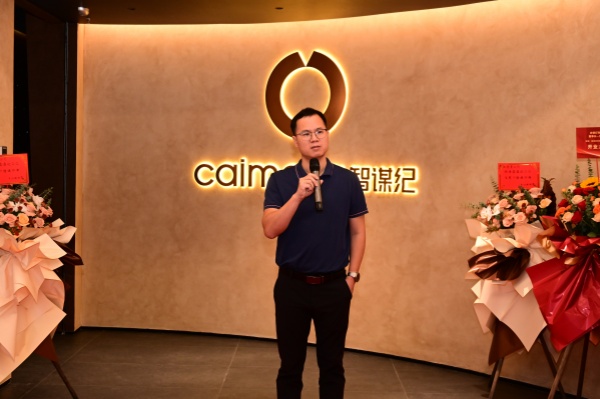
On the morning of November 5, the Zhimouji Spatial Intelligence Experience Center grandly opened at Star Alliance in Guzhen, Zhongshan, Guangdong. Covering 400 square meters, this immersive real-scene experience center showcases the full-stack technological achievements of its spatial intelligence engine centered on imperceptible interaction, autonomous spatial operation, and emotive lighting. It marks the opening of the spatial intelligence engine system for industry-wide trial, driving the lighting industry into a brand-new phase: from humans controlling light to light understanding humans.The opening ceremony brought together entrepreneurs, designers, representatives from industry associations, shopping malls and media to witness this milestone. Multiple guests delivered speeches, sharing insights on AI lighting, spatial intelligences, industrial upgrading and technology empowerment.
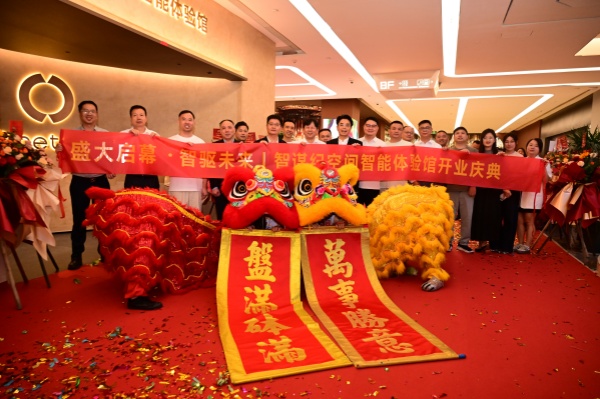
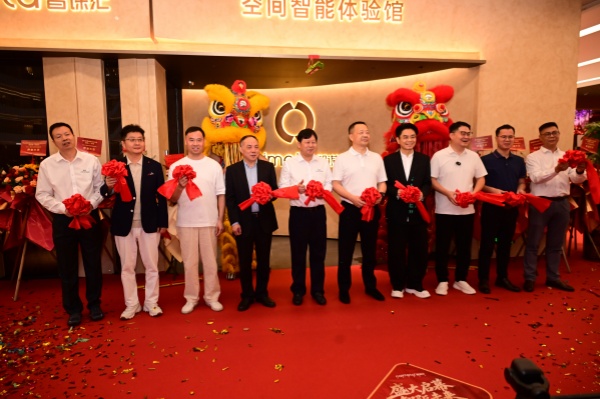
Pushing the industry into an era where “light understands humans”, serving as an industrial enabler and jointly building the new spatial intelligence track
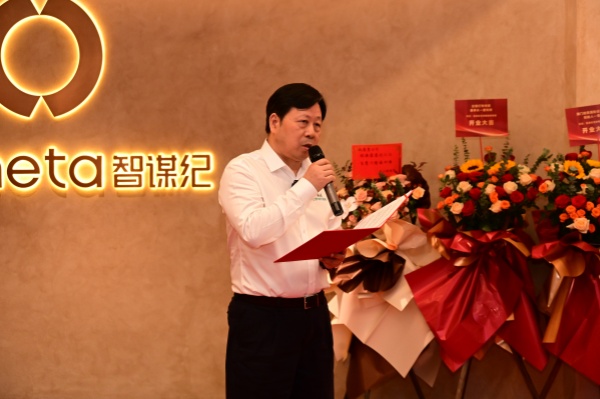
At the start of the ceremony, Zhu Dongliang, Founder and Chairman of Zhimouji, stated in his address that Zhimouji positions itself as an industrial enabler. The experience center launched at Star Alliance serves as a real-world testbed and technology showcase open to the entire industry. Going forward, Zhimouji plans to partner with high-end design institutes, platform enterprises and leading brands to connect the chains of design, lighting, space, content and services, reshape the value of spatial lighting, and endow spaces with depth, emotion and vitality through light.
Redefining industry entry barriers: innovation as the key to breakthrough
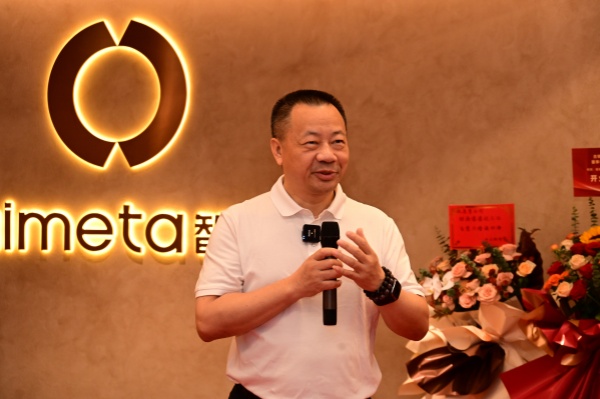
Wu Changjiang, Chief Operating Officer of Zhongshan Lighting Regional Brand, noted that the industry is under pressure at present, and breakthroughs lie mainly in two directions. The first is product innovation, rooted in underlying technological innovation that brings cutting-edge technologies into lighting to build technical moats. The second is business model innovation, which poses greater challenges and requires systematic coordination of capital, teams, supply chains, sales channels and other resources.
Promoting deep integration of lighting technology and spatial design
Qin Si, Founder of C&C Design Group and Registered Architect in Macao, pointed out that spatial creation lies at the heart of designers’ work. Yet many projects are constrained by lighting technologies, resulting in compromised spatial depth and texture. In recent years, a number of technically capable lighting and smart technology enterprises have proactively empowered designers to resolve bottlenecks in lighting implementation, enabling designers to better deliver layered, warm spaces.
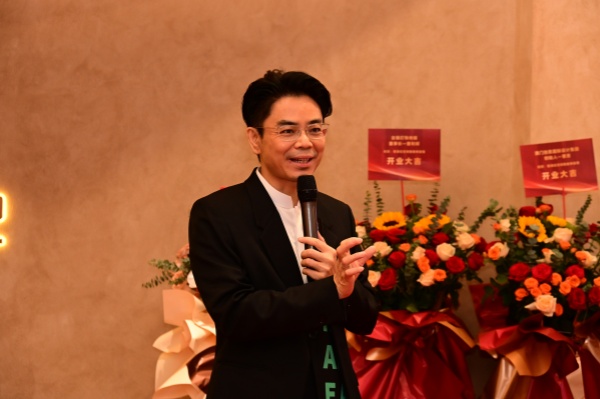
Entering the age of intelligences with shifting core industrial value
Cao Lihui, Member of the Zhongshan Municipal Committee of the Chinese People’s Political Consultative Conference and Chairman & CEO of Guzhen Lighting Media, observed that the future belongs to intelligences. One-dimensional intelligences refer to general large language models; two-dimensional intelligences are represented by autonomous driving; three-dimensional intelligences mostly take the form of embodied robots. The lighting industry has taken a differentiated path: relying on sensing and computing, it enables autonomous spatial responses without robotic carriers, constituting an innovative practice of spatial intelligences.
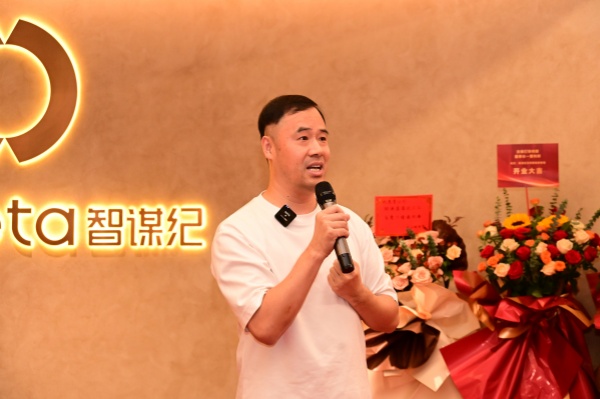
Exploring more commercialisation paths for smart lighting
Yang Guoding, General Manager of “Lao Yang Talks Lights” in Zhongshan, believes that what sets Zhimouji apart from traditional lighting enterprises goes beyond dynamic colour-tuning. It can generate heatmaps and analyse passenger flow via spatial sensing, turning lighting fixtures into spatial data collectors. He added that continuous iteration has pushed China’s lighting industry to the global technological forefront, and the sector needs more innovative players like Zhimouji to keep advancing technology.
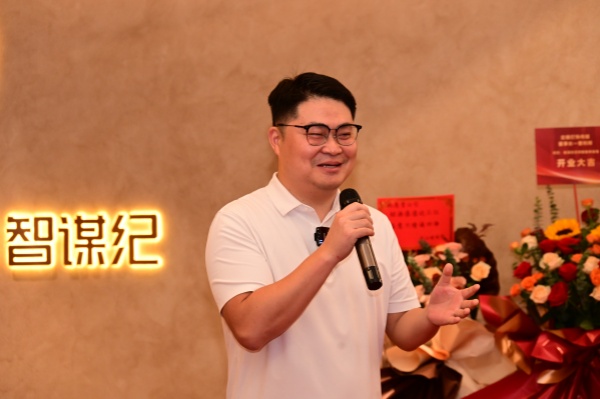
Developing new-quality productive forces: shifting from product sales to scenario delivery
Ma Bin, Secretary-General of the Asian Association of Lighting Designers (AALD), acknowledged that the industry is in a cyclical downturn with shrinking new demand and fierce price competition. Still, light remains an everlasting necessity. Amid economic headwinds, quality lighting environments are especially comforting. The responsibility of entrepreneurs lies not in slogans, but in persistent R&D. Investment in research and experience should never be cut during downturns, and innovation is anchored in developing new-quality productive forces.
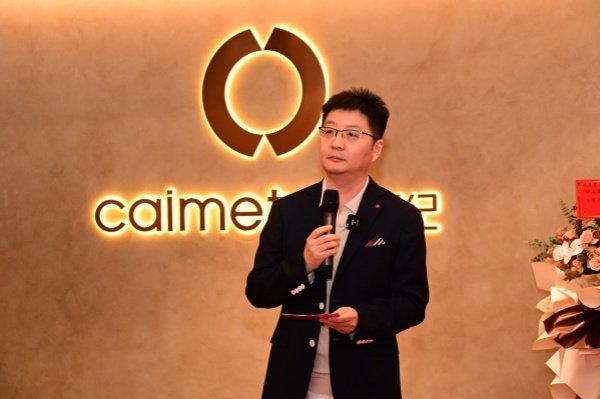
Leveraging platform strength to carry the new value of spatial intelligence
Chen Biaosong, General Manager of Star Alliance, said consumer demands keep evolving. Instead of standalone lamps, buyers now seek complete spatial lighting solutions. By integrating AI lighting with spatial sensing, Zhimouji enables light to shift from passive control to active perception and proactive service, delivering substantial value.
The lighting industry is now mired in stock competition, and AI intelligence has become a widely recognised trend. The launch of the Zhimouji Spatial Intelligence Experience Center at Guzhen Star Alliance embodies an open, empowering mindset, offering the whole industry an accessible, implementable pathway for AI transformation.